It'll be in your inbox — read it when you're ready.
Something went wrong, please try again.
Sent!
It'll be waiting in your inbox.
It'll be in your inbox — read it when you're ready.
Something went wrong, please try again.
Sent!
It'll be waiting in your inbox.
Table of Contents
Free guides to download
Thanks! Check your email.
For runners aiming to lose weight or stay lean, nutrition plays a crucial role. The right foods before a run boost fat metabolism, while post-run meals support recovery without excess calories.Here are 8 foods to help you burn fat, stay full, and keep fit. Four are great for pre-run energy, and four aid in post-run recovery.
Pre-Run Nutrition: Maximizing Fat Burn
Before running, eat low-glycemic carbs, healthy fats, and some protein. They give you lasting energy and help keep insulin levels steady. This encourages your body to burn more fat as fuel.Related:Should You Consume Caffeine During Training and Races?
1. Oatmeal with nuts
Oatmeal gives you slow-digesting carbs. Nuts add healthy fats and protein, which help keep your energy steady. This meal keeps you full longer, reducing cravings.
Best for: Long runs (60+ minutes) and races.
When to eat: 60-90 minutes before a run.
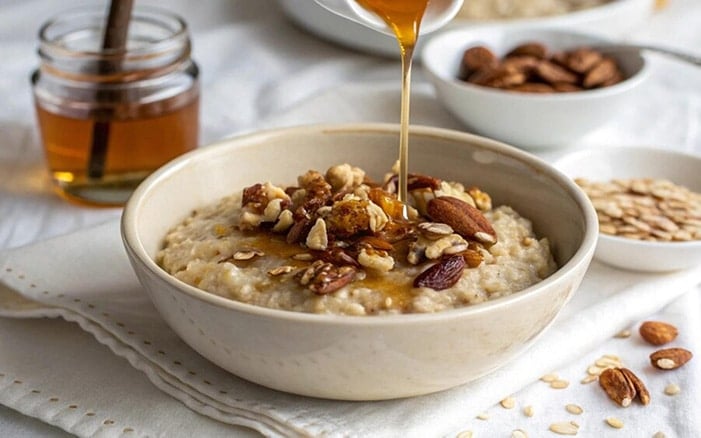
image by laksikab
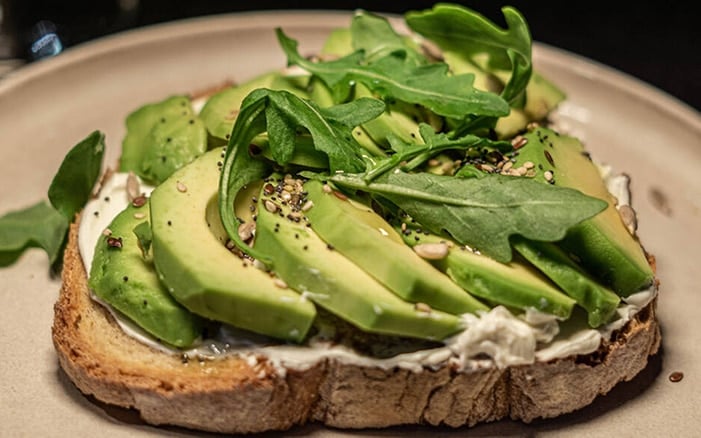
2. Avocado on whole-grain toast
Avocados are rich in monounsaturated fats, which help your body rely more on fat for fuel. Whole-grain bread promotes satiety, helping you eat less throughout the day.
Bananas provide quick energy, and almond butter slows down carbohydrate absorption. Compared to eating a banana alone, this snack reduces blood sugar spikes, preventing fat storage.
Best for: Short runs under 45 minutes or interval training.
When to eat: 30-45 minutes before a run.
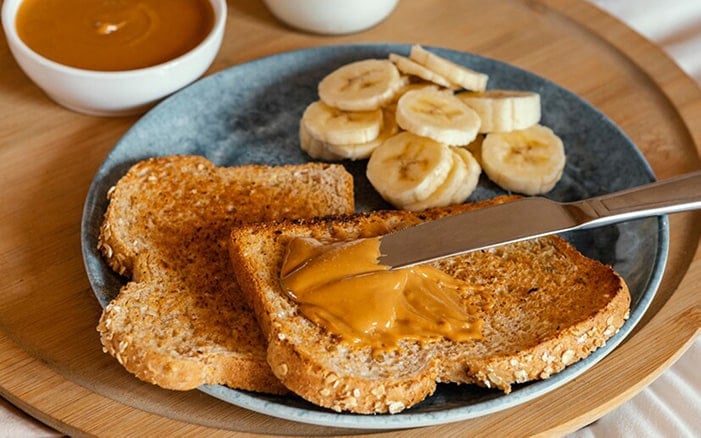
image by freepik
4. Greek yogurt with berries
Greek yogurt is high in protein, which helps preserve lean muscle while losing weight. Opt for sugar-free yogurt to avoid unnecessary added calories.Berries provide fiber and antioxidants. A high protein-to-calorie ratio helps maintain a caloric deficit. However, be careful with dairy because it can cause bloating, due to its lactose content.
Best for: Moderate-intensity runs.
When to eat: 30-60 minutes before a run.

image by AntonMatyukha
Post-Run Nutrition: Enhancing Recovery While Burning Fat
After a run, the goal is to replenish energy, repair muscles, and stay full longer. It's also important to manage calories for weight loss.
5. Egg white scramble with spinach and mushrooms
Egg whites are low in calories and high in protein. Spinach adds iron and fiber, which help transport oxygen for endurance.
Best for: Post-morning run protein boost.
When to eat: Within 60 minutes after a morning run.

image by timolina
6. Cottage cheese with pineapple
Cottage cheese is rich in casein protein. This helps prevent muscle loss when you're in a caloric deficit. Pineapple contains bromelain, an enzyme that aids digestion. This meal keeps you full for hours, reducing snacking.
Best for: Post-run snack or light meal.
When to eat: 30-90 minutes after a run or before bed to support overnight recovery.

image by funandrejs
7. Grilled chicken with quinoa and vegetables
Chicken offers lean protein for muscle recovery. Quinoa adds fiber and essential amino acids. High protein and fiber prevent hunger spikes.
Best for: After high-intensity training or long runs.
When to eat: 30-90 minutes after a run.

8. Salmon with sweet potato
Salmon is high in omega-3 fatty acids. They boost fat metabolism and support hormonal balance for optimal fat burning. Sweet potatoes help restore glycogen levels without blood sugar crashes.
Best for: Evening post-run meal for weight-conscious athletes.
When to eat: Within 1-2 hours after an evening run.
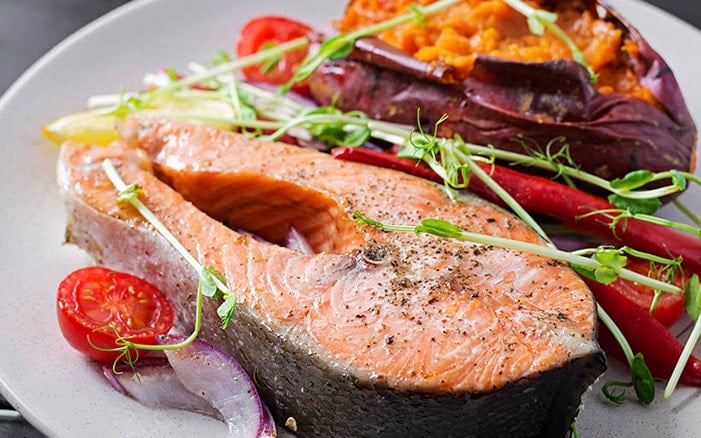
image by timolina
Weight Loss Nutrition Tips for Runners
1. Hydrate to enhance fat metabolism
Drinking enough water helps your body break down fat for energy. It also prevents dehydration, which can slow your metabolism. Drinking green tea post-run can increase metabolic rate.
2. Time your meals to optimize fat burning
When you eat directly affects how your body uses fat for energy. Running in a fasted state (before breakfast) can increase fat utilization. But it is best suited for shorter, moderate-intensity runs. A balanced meal within 30-90 minutes after a run helps refill glycogen stores and keeps your metabolism active. It also prevents feeling too hungry later.
3. Prioritize protein to prevent muscle loss
Eating at least 20-30 g of protein per meal helps prevent muscle loss. This is especially important when cutting calories to lose weight.Protein-rich meals help you feel full longer. They also need more energy to digest, which can slightly boost calorie burn.
4. Increase fiber intake to control appetite
High-fiber foods (like veggies, leafy greens, and quinoa seeds) reduce appetite. They stabilize blood sugar levels, preventing energy crashes that lead to cravings.Related:10 Tips to Avoid Toilet Breaks During a RaceAdding these 8 foods to your diet will help you lose fat, keep your energy up, and prevent unwanted weight gain. Experiment with different foods to find what fuels your body best and keeps you feeling strong and satisfied.
It'll be in your inbox — read it when you're ready.
Something went wrong, please try again.
Sent!
It'll be waiting in your inbox.
Free weekly newsletter
Become a better runner in 5 minutes a week
Tips, gear reviews, training plans and race guides — every Wednesday.
Marathon training is a long haul. Depending on where you're starting from, the whole build can run anywhere from six months to a year.
The shortest piece of
At the start of a run, the pace feels comfortable, breathing is steady, and the legs respond well—everything feels smooth and controlled. However, somewhere in the middle of the
Not every effective run needs to be long. In fact, some of the workouts that make runners faster and stronger take less than 30 minutes. When done correctly and consistently,
Many runners notice the same pattern: the run begins comfortably, but after 10–15 minutes the pace becomes harder and harder to maintain. The reason often comes down to a
Some days your usual pace feels harder for no clear reason, even though your training hasn’t changed.
Here are five common reasons your running speed can fluctuate and what
Interval training for running is one of the most powerful ways to get faster. By alternating fast running with easy recovery, it helps build speed, improve endurance, and prepare you
Low-heart-rate running is widely seen as the foundation of endurance: it’s safe, accessible, and builds the aerobic base that supports faster running. But what if your heart